
Glutathione at a glance
What it is: a small molecule made of three amino acids: glutamate, cysteine and glycine
Where it is made: inside almost every cell, with the liver as a major producer
What it does: neutralises peroxides, tags chemicals for removal and helps set the cell’s overall chemical balance
Its limiting ingredient: cysteine, together with the enzyme that starts the build
In medicine: a glutathione building block, acetylcysteine, has long been the standard hospital treatment for paracetamol poisoning
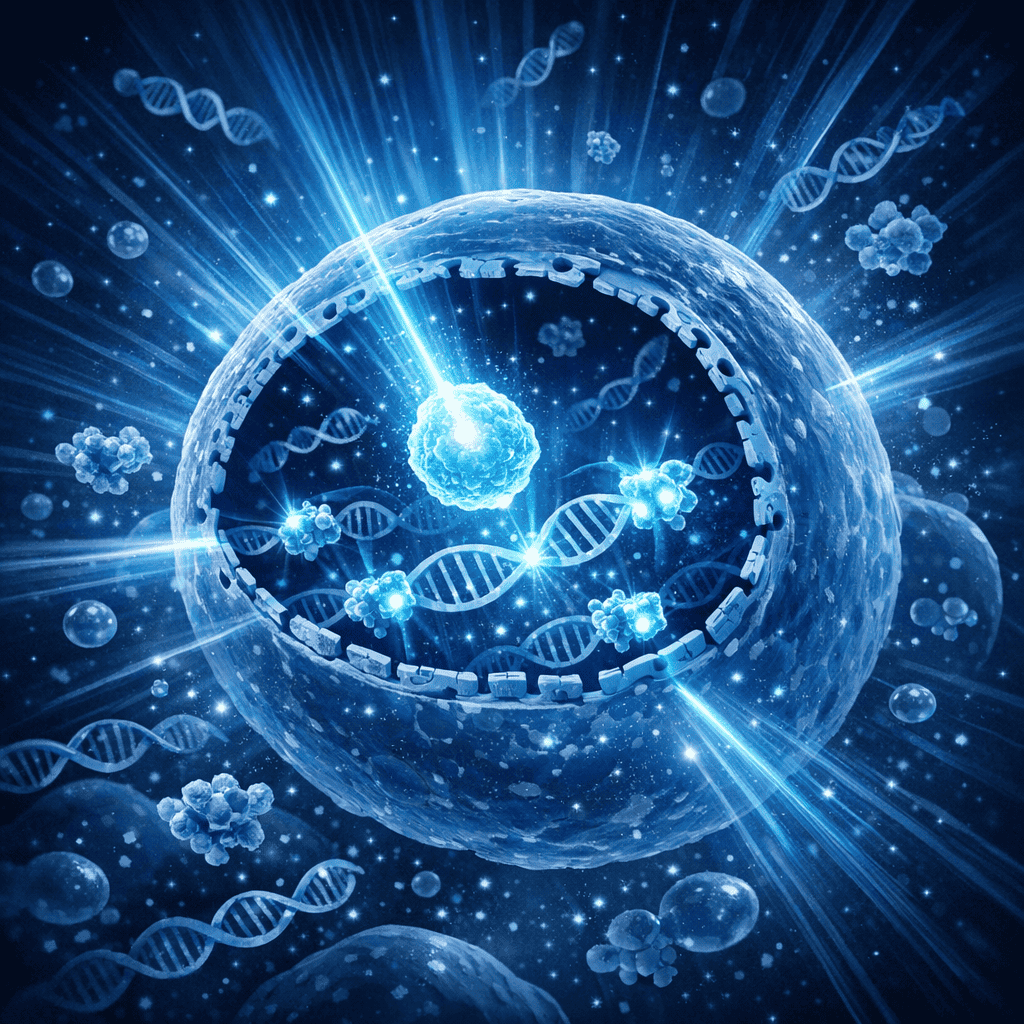
Glutathione is often called the body’s master antioxidant. The nickname is catchy, but it undersells what this small molecule actually does and oversells how simple it is to influence. Glutathione is present in nearly every cell, usually in higher concentrations than any other small antioxidant, and it takes part in detoxification, energy production, immune function and the chemical signalling that tells cells when to grow, adapt or die [1, 2].
Because it touches so many processes, glutathione has attracted a large research literature, and a large amount of marketing. This guide sets out what the research actually shows: how cells make and recycle glutathione, what it does, why levels appear to fall with age, what trials have found about raising it, and why scientists see it as a double-edged molecule. Every key point is linked to its source.
In this guide: What glutathione is · How cells make it · The recycling loop · What glutathione does · Glutathione in mitochondria · Glutathione and ferroptosis · The liver and paracetamol · Glutathione and ageing · Can glutathione levels be raised? · The cancer double edge · What we still do not know · Common questions · References
What glutathione is
Glutathione is a tripeptide, a very short chain of three amino acids: glutamate, cysteine and glycine. Its working part is the sulphur atom in cysteine, which carries a thiol group that can give up electrons to neutralise reactive molecules or bind to them. The glutamate is attached by an unusual bond that protects glutathione from being broken down by the ordinary enzymes that digest proteins [1, 2].
Scientists usually abbreviate the active, reduced form as GSH. When two glutathione molecules have each given up an electron, they join together to form glutathione disulfide, written GSSG. Much of the biology of glutathione comes down to the movement between these two forms. It is the most abundant small thiol in animal cells, and a 2009 review in Molecular Aspects of Medicine describes its central roles as protecting cells from oxidative damage, detoxifying reactive chemicals and maintaining redox balance, the balance between oxidising and reducing chemistry [2].
How cells make glutathione
Cells build glutathione in two steps, both inside the cell’s main fluid compartment, the cytosol. In the first step, an enzyme called glutamate cysteine ligase, or GCL, joins glutamate to cysteine. In the second, glutathione synthetase adds glycine to finish the molecule [3].
The first step sets the pace. A 2013 review in Biochimica et Biophysica Acta identifies two key determinants of how much glutathione a cell can make: the supply of cysteine and the activity of GCL [3]. Cysteine is usually the scarcest of the three ingredients, which is why it features so heavily in research on raising glutathione. GCL is made of two parts, a catalytic subunit that does the work and a modifier subunit that makes it more efficient, and glutathione itself acts as a brake on GCL, so that production slows when levels are high [3].
The genes for both GCL subunits are among those switched on by NRF2, the protein that coordinates many of the cell’s protective responses [3]. When cells come under chemical stress, NRF2 increases glutathione production as part of a wider defensive programme. Our guide to the NRF2 pathway explains that switch in detail.
The liver is a major producer and exports glutathione into the blood, from where its components can be taken up and reused by other tissues [3]. Selenium matters too, though indirectly: it does not form part of glutathione, but it sits at the active centre of the glutathione peroxidase enzymes that put glutathione to work [2].
The recycling loop
Cells do not make a fresh glutathione molecule every time one is used. When GSH neutralises a peroxide, it is converted to GSSG, and an enzyme called glutathione reductase converts GSSG back to two molecules of GSH. The energy for that step comes from NADPH, a carrier molecule produced largely through glucose metabolism [2]. In this way a relatively small pool of glutathione can be used again and again.
The ratio between the reduced and oxidised forms is one of the most widely used indicators of a cell’s redox state. In a much cited 2001 review in Free Radical Biology and Medicine, Freya Schafer and Garry Buettner showed how that balance can be expressed as an electrical potential, and summarised evidence that it shifts with the cell’s condition: estimated values were around minus 240 millivolts in dividing cells, minus 200 in cells that are differentiating, and minus 170 in cells undergoing programmed death [4]. The figures are estimates, but they illustrate a central idea: glutathione is not only a defence, it is also part of how a cell reads and sets its own internal conditions.
What glutathione does
Glutathione’s work falls into a few broad roles. Researchers stress that it rarely acts alone; most of its effects run through enzymes that use it as a partner [1, 2].
Neutralising peroxides. The glutathione peroxidase enzymes use GSH to convert hydrogen peroxide into water and to convert damaged fats, called lipid hydroperoxides, into harmless alcohols [2]. Hydrogen peroxide is also a signalling molecule, so this role shapes cell communication as well as limiting damage.
Tagging chemicals for removal. The glutathione transferases, often shortened to GSTs, attach glutathione to reactive chemicals so they can be pumped out of the cell and excreted. A 2005 review in the Annual Review of Pharmacology and Toxicology describes three families of these enzymes in mammals, which handle chemical carcinogens, environmental pollutants and some cancer drugs, as well as reactive by-products of the body’s own metabolism [5]. The same enzymes also help make several signalling molecules and hormones, including prostaglandins and testosterone [5].
Protecting proteins. Glutathione can attach temporarily to sensitive cysteine sites on proteins, shielding them from permanent oxidation and, in some cases, changing how the protein behaves. This process is one of the ways redox changes are translated into signals [1, 2].
Storing and moving cysteine. Because cysteine is unstable on its own, glutathione also works as a reserve and transport form of this amino acid [1].
Glutathione in mitochondria
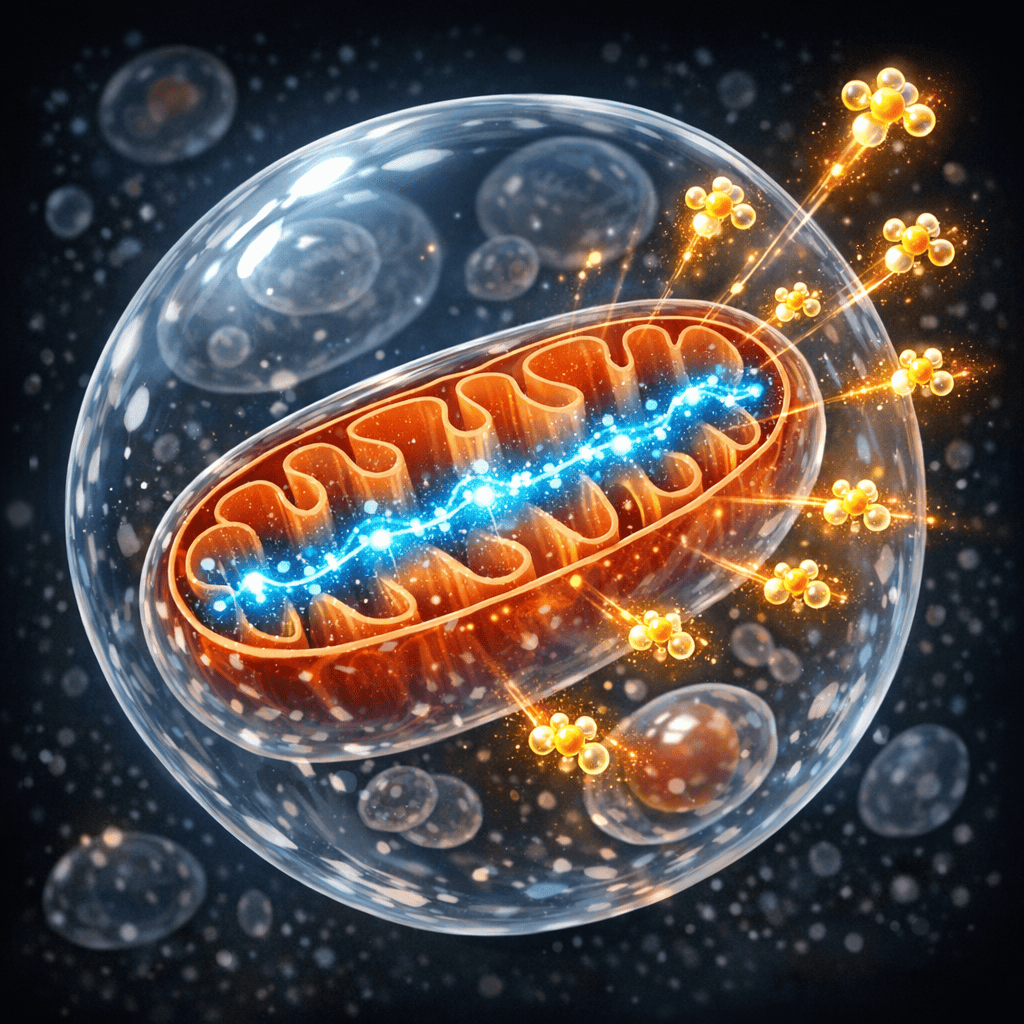
Mitochondria, the structures that produce most of a cell’s energy, are also one of its main sources of reactive oxygen species. They cannot make glutathione themselves and must import it from the surrounding cytosol. A 2009 review in Antioxidants and Redox Signaling describes mitochondrial glutathione as the main line of defence for keeping the mitochondrial environment in balance, acting through glutathione peroxidase and glutathione transferase enzymes [6].
The same review notes that falls in mitochondrial glutathione have been observed in a range of experimental settings, including oxygen deprivation, ageing and liver disease, and that such falls may leave cells more vulnerable to further stress [6]. Much of that evidence comes from cell and animal studies.
Glutathione and ferroptosis
One of the most important discoveries about glutathione in the past decade concerns a form of cell death called ferroptosis, which is driven by iron and the runaway oxidation of fats in cell membranes. In 2014, a team led by Brent Stockwell reported in Cell that an enzyme called GPX4 is the central guard against this process [7]. GPX4 uses glutathione to repair oxidised fats in membranes before the damage spreads.
The researchers found that ferroptosis could be triggered in two ways: by drugs that drain the cell’s glutathione, which leaves GPX4 without its partner, or by drugs that block GPX4 directly [7]. That finding turned glutathione supply into a research target in its own right, particularly in cancer, where scientists are exploring whether some tumours can be pushed into ferroptosis.
The liver and paracetamol
The clearest real world demonstration of glutathione’s importance comes from paracetamol poisoning. At normal doses, the liver safely processes paracetamol, also known as acetaminophen. In an overdose, a larger share is converted into a reactive by-product that the liver neutralises with glutathione. When glutathione runs out, that by-product damages liver cells [8].
The standard hospital treatment, acetylcysteine, works mainly by supplying cysteine so the liver can rebuild its glutathione, as described in a 2008 clinical review in the New England Journal of Medicine [8]. A 2014 review in Pharmacology and Therapeutics draws a wider lesson from this: acetylcysteine is not a powerful antioxidant in its own right, and its strength lies in replenishing glutathione in cells that are depleted. The authors conclude it is likely to be ineffective in cells that already have enough glutathione [9]. That distinction runs through much of the research on raising glutathione.
Glutathione and ageing
Several studies have reported lower glutathione levels in older people, and researchers have asked whether that is because more is being used up or because less is being made. A 2011 study in the American Journal of Clinical Nutrition used labelled tracers to measure glutathione production directly in eight older and eight younger adults. The older group had markedly lower red blood cell glutathione, and the researchers attributed this mainly to reduced production rather than increased loss. After two weeks of extra cysteine and glycine, production and concentrations in the older group rose, and markers of oxidative stress fell [10].
The same research group, based at Baylor College of Medicine, went on to test a combination of glycine and N-acetylcysteine, which they call GlyNAC. An open-label pilot trial in eight older adults, published in 2021, reported improvements across a broad set of measures, including glutathione levels, oxidative stress markers and mitochondrial fuel use, with many of the changes fading after supplementation stopped [11]. A 2023 randomised, placebo-controlled trial in 24 older adults over 16 weeks reported improvements in glutathione deficiency, oxidative stress and several other markers compared with placebo [12].
These are interesting findings, but they come with important limits. The trials are small, the numbers of people in each group run to single figures or low double figures, and the evidence so far comes largely from one research group. Larger, independent trials would be needed before firm conclusions could be drawn, and none of this research shows that raising glutathione slows ageing itself.
Can glutathione levels be raised?
This is where the research is most often stretched. There are three broad approaches that researchers have studied: supplying glutathione directly, supplying its building blocks, and changing diet.
Taking glutathione by mouth. Glutathione was long assumed to be broken down in the gut before it could be absorbed. Two placebo-controlled trials in healthy adults point in different directions. A four-week trial of 40 volunteers, published in 2011, found no change in glutathione status or in markers of oxidative stress [13]. A longer six-month trial of 54 adults, published in 2015 in the European Journal of Nutrition, reported that glutathione levels in blood and in several types of cell rose over time, with the larger increases at the higher of two doses [14]. Differences in duration and measurement may explain part of the gap. Neither trial was designed to show any effect on health outcomes.
Supplying building blocks. Because cysteine usually limits production, research has focused on cysteine sources such as acetylcysteine, sometimes combined with glycine, as described in the ageing section above. The 2014 review noted earlier suggests these approaches work mainly when glutathione is low to begin with [9].
Diet. A 2019 narrative review in Nutrients examined clinical evidence on foods and nutrients linked to glutathione status, including sulphur-rich foods, selenium and compounds found in cruciferous vegetables. The authors concluded that some nutritional factors can influence circulating glutathione, while also stating that clear causal links between glutathione status and disease risk remain to be established. They also note that genetic differences between people affect how glutathione responds [15].
Across all three approaches, the honest summary is that it is possible to change glutathione measurements in some people under some conditions, but a higher number in a blood test is not the same as a demonstrated benefit, and more is not automatically better.
The cancer double edge
Glutathione illustrates a theme that runs through redox biology: the defences that protect healthy cells can also protect cancer cells. A 2018 review in the Journal of Cell Biology describes glutathione as playing both beneficial and harmful roles in cancer. It helps remove carcinogens and so may help prevent the damage that starts cancers, but once a tumour is established, high glutathione levels can help it grow, spread and resist chemotherapy and radiotherapy [16].
An earlier review of glutathione and human disease made the same observation: many cancer cells carry unusually high levels of glutathione and its associated enzymes, which is a major factor limiting some drug treatments [17]. This is why some cancer research aims to lower glutathione in tumours rather than raise it, and why researchers caution against treating glutathione as something that is simply good to have more of.
What we still do not know
Despite decades of research, several important questions remain open. It is not yet clear how closely glutathione levels in blood reflect levels inside the tissues that matter, such as the brain, muscle or liver. Most measurements in people are taken from blood or red blood cells for practical reasons.
It is also unclear whether low glutathione is a cause of disease or largely a consequence of it. A 2009 review in Biological Chemistry links disturbed glutathione balance to a wide range of conditions, but notes that because glutathione affects so many processes, defining its precise role has proved difficult [17].
Finally, the human trials that have tested ways of raising glutathione are mostly small and short. Larger, longer and independent studies, with outcomes that matter to people rather than laboratory markers alone, would be needed to move the field forward.
Common questions
Why is glutathione called the master antioxidant?
The nickname reflects its abundance and its central place in the cell’s antioxidant network, including its role in keeping other antioxidants in working order. Researchers more often describe it as the main small thiol of the cell and a key regulator of redox balance [1, 2].
Does the body make its own glutathione?
Yes. Almost every cell makes glutathione from three amino acids, with cysteine supply and the enzyme GCL setting the pace [3].
Does glutathione decline with age?
Several studies have reported lower levels in older adults, and a small tracer study linked this mainly to reduced production [10]. How much this varies between individuals, and what it means for health, is not fully understood.
What is the difference between GSH and GSSG?
GSH is the active, reduced form. GSSG is the oxidised form produced when two glutathione molecules have donated electrons. The ratio between them is used as an indicator of a cell’s redox state [4].
What is NAC and how does it relate to glutathione?
N-acetylcysteine, or NAC, supplies cysteine, the building block that usually limits glutathione production. In hospital medicine it is used to treat paracetamol poisoning [8]. Researchers note it appears to work mainly when glutathione is depleted [9].
Is more glutathione always better?
No. Glutathione supports normal cell defences, but high levels can also help cancer cells resist treatment [16], and redox balance in either direction can be harmful. This guide reports research for general interest and is not a recommendation to take any supplement.
Further reading: Oxidative stress explained: what it is, why cells need some, and what the research shows.
Further reading: The biology of ageing explained: the twelve hallmarks and what the research shows.
Further reading: Mitochondria explained: how your cells make energy, and why it matters.
Further reading: Ferroptosis explained: how iron drives a distinct form of cell death.
Further reading: Redox signalling explained: how cells use reactive oxygen as a message.
Further reading: Sleep and cellular repair: what happens inside your cells while you sleep.
Further reading: Inflammation explained · Exercise and your cells
References
- Sies H. (1999). Glutathione and its role in cellular functions. Free Radical Biology and Medicine. https://doi.org/10.1016/s0891-5849(99)00177-x
- Forman HJ, Zhang H, Rinna A. (2009). Glutathione: overview of its protective roles, measurement, and biosynthesis. Molecular Aspects of Medicine. https://doi.org/10.1016/j.mam.2008.08.006
- Lu SC. (2013). Glutathione synthesis. Biochimica et Biophysica Acta. https://doi.org/10.1016/j.bbagen.2012.09.008
- Schafer FQ, Buettner GR. (2001). Redox environment of the cell as viewed through the redox state of the glutathione disulfide/glutathione couple. Free Radical Biology and Medicine. https://doi.org/10.1016/s0891-5849(01)00480-4
- Hayes JD, Flanagan JU, Jowsey IR. (2005). Glutathione transferases. Annual Review of Pharmacology and Toxicology. https://doi.org/10.1146/annurev.pharmtox.45.120403.095857
- Marí M, Morales A, Colell A, et al. (2009). Mitochondrial glutathione, a key survival antioxidant. Antioxidants and Redox Signaling. https://doi.org/10.1089/ars.2009.2695
- Yang WS, SriRamaratnam R, Welsch ME, et al. (2014). Regulation of ferroptotic cancer cell death by GPX4. Cell. https://doi.org/10.1016/j.cell.2013.12.010
- Heard KJ. (2008). Acetylcysteine for acetaminophen poisoning. New England Journal of Medicine. https://doi.org/10.1056/NEJMct0708278
- Rushworth GF, Megson IL. (2014). Existing and potential therapeutic uses for N-acetylcysteine: the need for conversion to intracellular glutathione for antioxidant benefits. Pharmacology and Therapeutics. https://doi.org/10.1016/j.pharmthera.2013.09.006
- Sekhar RV, Patel SG, Guthikonda AP, et al. (2011). Deficient synthesis of glutathione underlies oxidative stress in aging and can be corrected by dietary cysteine and glycine supplementation. American Journal of Clinical Nutrition. https://doi.org/10.3945/ajcn.110.003483
- Kumar P, Liu C, Hsu JW, et al. (2021). Glycine and N-acetylcysteine (GlyNAC) supplementation in older adults improves glutathione deficiency, oxidative stress, mitochondrial dysfunction, inflammation, insulin resistance, endothelial dysfunction, genotoxicity, muscle strength, and cognition: results of a pilot clinical trial. Clinical and Translational Medicine. https://doi.org/10.1002/ctm2.372
- Kumar P, Liu C, Suliburk J, et al. (2023). Supplementing glycine and N-acetylcysteine (GlyNAC) in older adults improves glutathione deficiency, oxidative stress, mitochondrial dysfunction, inflammation, physical function, and aging hallmarks: a randomized clinical trial. Journals of Gerontology: Series A. https://doi.org/10.1093/gerona/glac135
- Allen J, Bradley RD. (2011). Effects of oral glutathione supplementation on systemic oxidative stress biomarkers in human volunteers. Journal of Alternative and Complementary Medicine. https://doi.org/10.1089/acm.2010.0716
- Richie JP, Nichenametla S, Neidig W, et al. (2015). Randomized controlled trial of oral glutathione supplementation on body stores of glutathione. European Journal of Nutrition. https://doi.org/10.1007/s00394-014-0706-z
- Minich DM, Brown BI. (2019). A review of dietary (phyto)nutrients for glutathione support. Nutrients. https://doi.org/10.3390/nu11092073
- Bansal A, Simon MC. (2018). Glutathione metabolism in cancer progression and treatment resistance. Journal of Cell Biology. https://doi.org/10.1083/jcb.201804161
- Ballatori N, Krance SM, Notenboom S, et al. (2009). Glutathione dysregulation and the etiology and progression of human diseases. Biological Chemistry. https://doi.org/10.1515/bc.2009.033
Redox News Today reports on published research for general interest. This guide is not medical advice. Last reviewed October 2026.

Matt Elliott is the editor of Redox News Today, an independent publication covering peer-reviewed research on cellular health, redox signalling, and related biomedical science.