Redox signalling at a glance
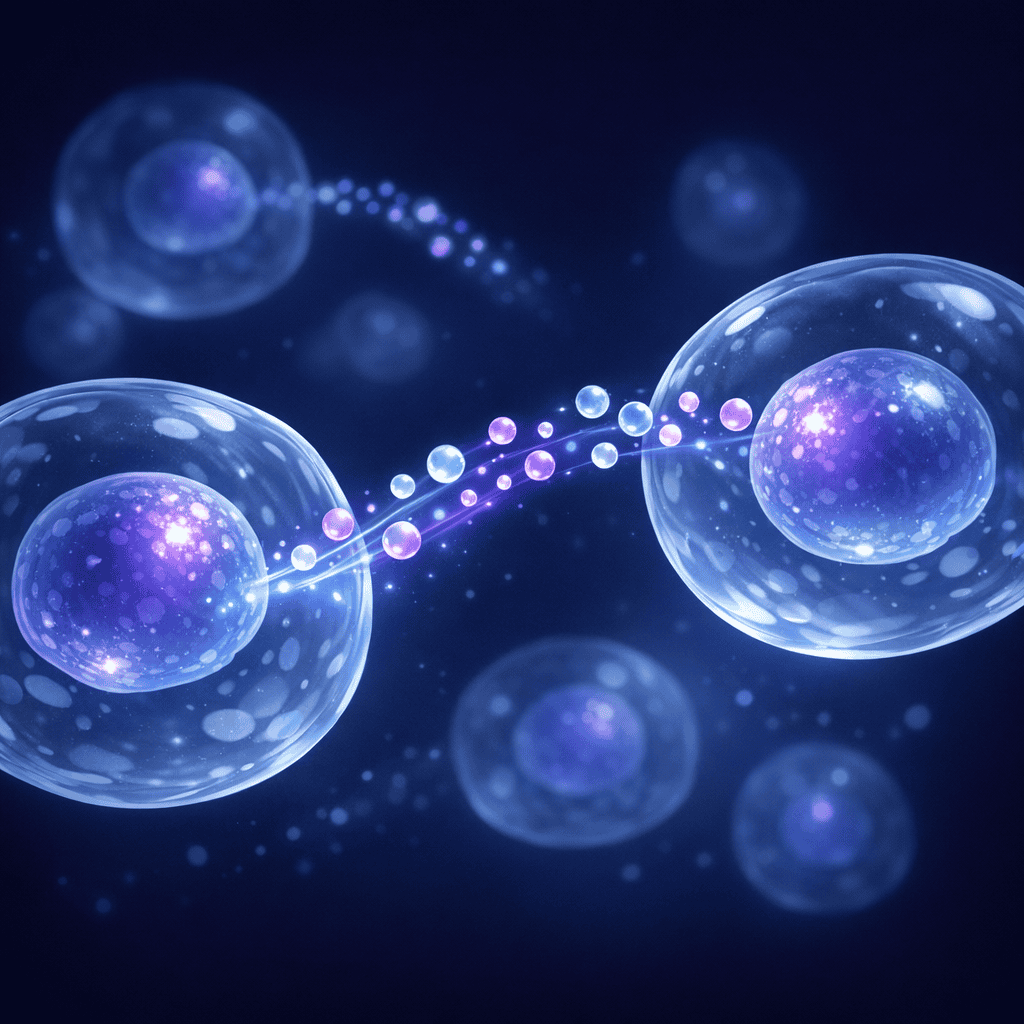
What it is: cells using small, controlled amounts of reactive oxygen and related molecules to pass messages
The main messenger: hydrogen peroxide, working at very low concentrations
How messages are read: reversible chemical changes to sulphur-containing cysteine sites on proteins
A famous example: nitric oxide, whose signalling role in blood vessels was recognised with the 1998 Nobel Prize
Why it matters: it explains why blocking reactive oxygen indiscriminately can backfire
For much of the twentieth century, reactive oxygen species were seen almost entirely as a hazard: unavoidable by-products of using oxygen that damage proteins, fats and DNA. From the mid-1990s, a series of discoveries changed that view. Researchers found that cells make some of these molecules deliberately, in tightly controlled amounts, and use them as messages to switch processes on and off.
This area of research is called redox signalling. This guide explains what it is, how it was discovered, how cells send and read redox signals, where they are used, and why the distinction between signalling and damage matters. Every key point is linked to its source.
In this guide: What redox signalling is · How the idea emerged · Hydrogen peroxide as a messenger · How cells read the message · Redox signalling in action · Nitric oxide · Signalling versus antioxidants · What we still do not know · Common questions · References
What redox signalling is
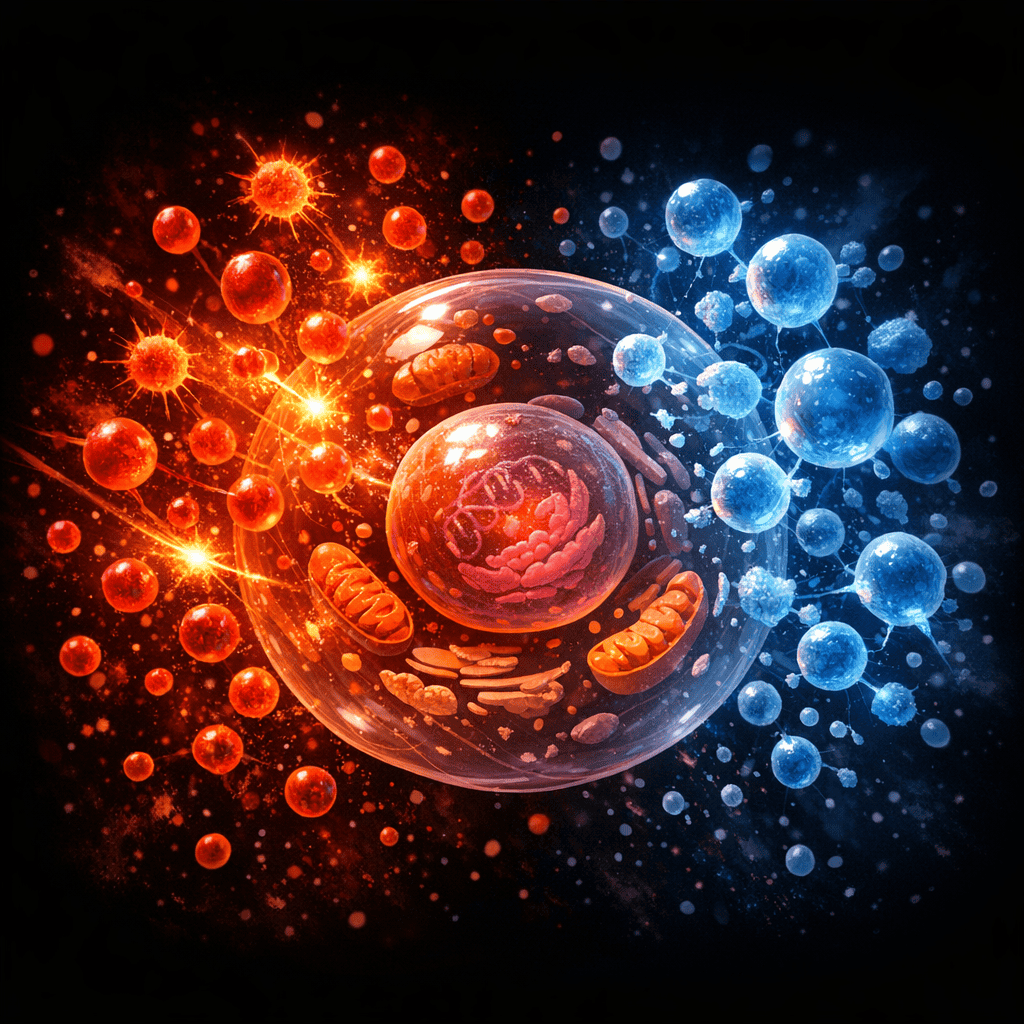
Redox is short for reduction and oxidation, the chemical processes in which molecules gain or lose electrons. Redox signalling is the use of these reactions to carry information inside and between cells.
A 2020 review in Nature Reviews Molecular Cell Biology by Helmut Sies and Dean Jones describes reactive oxygen species at physiological levels as central signalling agents. Hydrogen peroxide and the superoxide radical are generated on purpose by more than 40 enzymes in response to growth factors and other signals, and act through specific chemical changes to target proteins. The authors call this level of activity oxidative eustress, to distinguish it from oxidative distress, where levels are high enough to cause damage [1].
A 2014 review in the same journal notes that redox signalling has been implicated in an ever-widening range of biological activities, from immune function and stem cell renewal to tumour development and ageing [2].
How the idea emerged
A turning point came in 1995. Researchers at the US National Institutes of Health reported in Science that when smooth muscle cells from blood vessels were stimulated with a growth factor, hydrogen peroxide inside the cells rose briefly. When that rise was blocked, either by adding the enzyme catalase or the antioxidant N-acetylcysteine, the cells’ normal responses to the growth factor, including dividing and moving, were also blocked [3]. Hydrogen peroxide, in other words, appeared to be a necessary part of the message.
In 1998, Sue Goo Rhee and colleagues showed one way that message works. Growth factor signalling produced hydrogen peroxide that temporarily switched off an enzyme called PTP1B by oxidising a cysteine in its active site. The change was reversible: the enzyme could be switched back on, most effectively by the thioredoxin system [4]. In 2006, Rhee summarised the shift in thinking in Science under a memorable title, describing hydrogen peroxide as a necessary evil for cell signalling [5].
Hydrogen peroxide as a messenger
Of the reactive oxygen species, hydrogen peroxide is the best suited to signalling. It is more stable than radicals such as superoxide or the hydroxyl radical, can travel short distances, and reacts selectively rather than indiscriminately [1, 6].
Concentration is everything. In a 2017 overview in Redox Biology, Sies estimated that inside cells, hydrogen peroxide at around 1 to 10 nanomolar acts as a normal signal; at higher levels it triggers adaptive stress responses through switches such as NRF2; and above roughly 100 nanomolar it starts to damage biomolecules [6]. The figures are estimates, but they show how narrow the line is between message and damage.
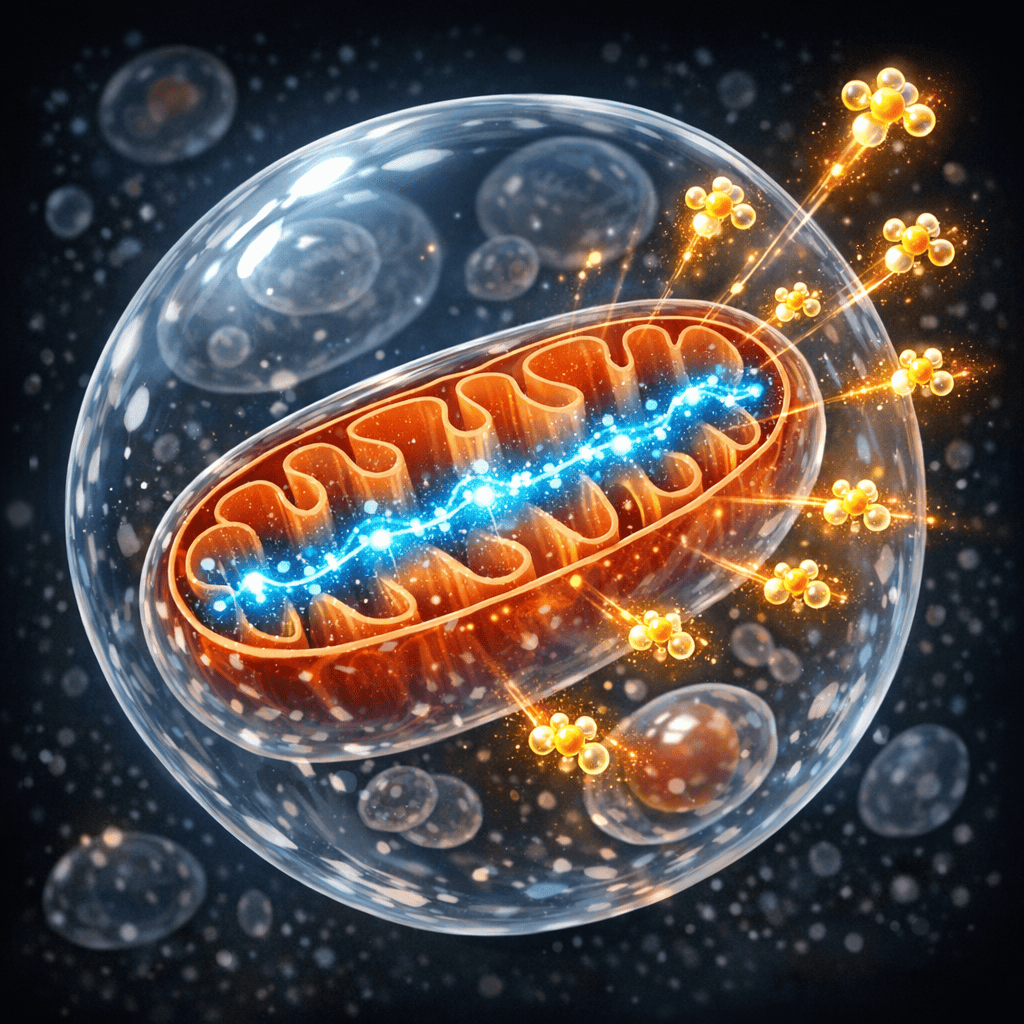
Hydrogen peroxide is produced mainly by NADPH oxidase enzymes and by mitochondria, as described in our guide to mitochondria. It also needs to reach its targets. A 2010 study in the Proceedings of the National Academy of Sciences showed that certain water channels in cell membranes, aquaporins 3 and 8, help hydrogen peroxide cross into cells and influence signalling inside them [7], adding another layer of control.
How cells read the message
Cysteine switches. The most common targets of redox signals are cysteines, amino acids that contain sulphur. Certain cysteines in certain proteins are unusually reactive. When oxidised, they change the shape or activity of the protein, and when reduced again by the thioredoxin or glutathione systems, the protein returns to its original state [2, 8]. This reversibility is what makes them switches rather than damage. A 2013 review in Chemical Reviews describes the chemistry of these cysteine changes and the tools developed to detect them [8].
Relay proteins. One puzzle is how hydrogen peroxide reaches its targets at all, given that cells are full of enzymes that remove it quickly. A 2015 study in Nature Chemical Biology found that peroxiredoxin-2, one of the most efficient hydrogen peroxide-removing enzymes in the cell, can also act as a receiver and transmitter, passing the oxidation on to a transcription factor called STAT3 and changing its activity [9]. Enzymes once seen purely as defences can therefore also help carry the signal.
Seeing it happen. Progress in the field has depended on new ways to measure hydrogen peroxide in living cells. A genetically encoded sensor called HyPer, reported in Nature Methods in 2006, made it possible to watch hydrogen peroxide levels change inside individual cells in real time [10].
Redox signalling in action
Wound healing. In a 2009 study in Nature, researchers used a hydrogen peroxide sensor in zebrafish larvae and found that a wound produced a gradient of hydrogen peroxide spreading out from the injury within minutes. That gradient was needed to attract white blood cells to the wound quickly [11].
Growth and cell fate. As the early studies showed, growth factor signalling depends on brief, local bursts of hydrogen peroxide [3, 4]. Redox signals also help guide decisions about whether cells divide, specialise or die [2].
Cellular defences. Higher levels of hydrogen peroxide activate NRF2, which switches on a wide range of protective genes [6]. This is explained in our guide to the NRF2 pathway.
Exercise. A 2009 study in the Proceedings of the National Academy of Sciences found that in 39 young men, high-dose vitamin C and E supplements blocked some of the improvements in insulin sensitivity and in the body’s own defence genes that normally follow exercise training. The authors proposed that reactive oxygen produced during exercise acts as a signal for adaptation [12]. The study was small, and the question is still debated.
Nitric oxide
Redox signalling is not limited to oxygen species. In 1980, Robert Furchgott and John Zawadzki reported in Nature that blood vessels relax in response to acetylcholine only when their inner lining, the endothelium, is intact, implying that the lining releases a relaxing factor [13]. In 1987, Richard Palmer, Ashley Ferrige and Salvador Moncada showed in Nature that this factor was nitric oxide [14].
The discovery that a simple gas acts as a signalling molecule in the cardiovascular system was recognised with the 1998 Nobel Prize in Physiology or Medicine, awarded to Furchgott, Louis Ignarro and Ferid Murad. Nitric oxide is now known to act in blood vessels, the nervous system and the immune system, and it interacts with reactive oxygen species in complex ways [1].
Signalling versus antioxidants
Redox signalling changes how the role of antioxidants is understood. If reactive oxygen were purely harmful, removing as much of it as possible would make sense. Because cells rely on it as a messenger, indiscriminately suppressing it could interfere with normal signals [1, 2]. The 1995 study that helped launch the field showed exactly that: blocking the hydrogen peroxide burst blocked the growth factor’s effects [3].
This helps explain why large trials of high-dose antioxidant vitamins have generally failed to show the benefits once expected, as described in our guide to oxidative stress. The goal of the cell’s own systems is balance, not elimination.
What we still do not know
Many questions remain. Researchers are still mapping which of the thousands of cysteines in human proteins act as genuine switches, and which are simply damaged by oxidation [8]. Measuring hydrogen peroxide at specific locations inside cells in living people remains very difficult, even with new sensors [1, 10].
It is also not yet clear how far knowledge of redox signalling can be turned into treatments. Because the same molecules can be signals at one level and damaging at another, interventions aimed at redox balance have proved hard to target, and none has a simple, proven role in maintaining health [1, 2].
Common questions
What is redox signalling?
It is the use of controlled oxidation and reduction reactions, mainly involving hydrogen peroxide and related molecules, to carry messages within and between cells [1].
Are reactive oxygen species good or bad?
Both, depending on the amount, type and location. At low levels they act as signals; at high levels they cause damage [1, 6].
Which molecules carry redox signals?
Hydrogen peroxide is considered the main messenger among reactive oxygen species, while nitric oxide is a major signalling molecule among reactive nitrogen species [1, 14].
How do cells detect redox signals?
Mainly through reversible oxidation of reactive cysteine sites on proteins, which act as switches, sometimes passed along by relay proteins such as peroxiredoxins [8, 9].
How is redox signalling different from antioxidants?
Antioxidants remove reactive molecules; redox signalling uses them. Cells need both, in balance, which is why suppressing reactive oxygen indiscriminately can interfere with normal function [1, 3].
Further reading: Glutathione explained · Ferroptosis explained · The biology of ageing explained · Sleep and cellular repair
Further reading: Inflammation explained · Exercise and your cells
References
- Sies H, Jones DP. (2020). Reactive oxygen species (ROS) as pleiotropic physiological signalling agents. Nature Reviews Molecular Cell Biology. https://doi.org/10.1038/s41580-020-0230-3
- Holmström KM, Finkel T. (2014). Cellular mechanisms and physiological consequences of redox-dependent signalling. Nature Reviews Molecular Cell Biology. https://doi.org/10.1038/nrm3801
- Sundaresan M, Yu ZX, Ferrans VJ, et al. (1995). Requirement for generation of H2O2 for platelet-derived growth factor signal transduction. Science. https://doi.org/10.1126/science.270.5234.296
- Lee SR, Kwon KS, Kim SR, et al. (1998). Reversible inactivation of protein-tyrosine phosphatase 1B in A431 cells stimulated with epidermal growth factor. Journal of Biological Chemistry. https://doi.org/10.1074/jbc.273.25.15366
- Rhee SG. (2006). H2O2, a necessary evil for cell signaling. Science. https://doi.org/10.1126/science.1130481
- Sies H. (2017). Hydrogen peroxide as a central redox signaling molecule in physiological oxidative stress: oxidative eustress. Redox Biology. https://doi.org/10.1016/j.redox.2016.12.035
- Miller EW, Dickinson BC, Chang CJ. (2010). Aquaporin-3 mediates hydrogen peroxide uptake to regulate downstream intracellular signaling. Proceedings of the National Academy of Sciences. https://doi.org/10.1073/pnas.1005776107
- Paulsen CE, Carroll KS. (2013). Cysteine-mediated redox signaling: chemistry, biology, and tools for discovery. Chemical Reviews. https://doi.org/10.1021/cr300163e
- Sobotta MC, Liou W, Stöcker S, et al. (2015). Peroxiredoxin-2 and STAT3 form a redox relay for H2O2 signaling. Nature Chemical Biology. https://doi.org/10.1038/nchembio.1695
- Belousov VV, Fradkov AF, Lukyanov KA, et al. (2006). Genetically encoded fluorescent indicator for intracellular hydrogen peroxide. Nature Methods. https://doi.org/10.1038/nmeth866
- Niethammer P, Grabher C, Look AT, et al. (2009). A tissue-scale gradient of hydrogen peroxide mediates rapid wound detection in zebrafish. Nature. https://doi.org/10.1038/nature08119
- Ristow M, Zarse K, Oberbach A, et al. (2009). Antioxidants prevent health-promoting effects of physical exercise in humans. Proceedings of the National Academy of Sciences. https://doi.org/10.1073/pnas.0903485106
- Furchgott RF, Zawadzki JV. (1980). The obligatory role of endothelial cells in the relaxation of arterial smooth muscle by acetylcholine. Nature. https://doi.org/10.1038/288373a0
- Palmer RM, Ferrige AG, Moncada S. (1987). Nitric oxide release accounts for the biological activity of endothelium-derived relaxing factor. Nature. https://doi.org/10.1038/327524a0
Redox News Today reports on published research for general interest. This guide is not medical advice. Last reviewed October 2026.

Matt Elliott is the editor of Redox News Today, an independent publication covering peer-reviewed research on cellular health, redox signalling, and related biomedical science.